Here you can find out details about our seminars and events.
Seminars
Closing deadline for registrations is 20.01.2026
03.02.2026 - 05.02.2026
Crash course process control
As a participant in this course, you will receive a possibility to get acquainted with the state-of-the-art supervisory control and data acquisition system (SCADA) thanks to a realistic reconstruction of a production plant provided by SIMULEX®. The SIMULEX® cement plant simulator for training plant supervisors, foremen, production personnel, control room operators and young engineers was developed by KHD Humboldt Wedag AG in cooperation with VDZ. For over ten years VDZ has been using the simulator within the framework of training courses and has been continually supporting the further development of the system with practical input from the industry.
Raw material and cement grinding are the first and the last major process steps during cement production. The energy demand of these two processes amounts to up to ~70% of the electrical energy used in a cement plant. For you as participant, this training will help to obtain a better understanding of the comminution processes as well as the equipment used for grinding. The knowledge acquired in this online seminar will deliver a solid basis for assessing and evaluating the optimisation potential for grinding processes and the ground product.
Digital transformation: Basics and examples from cement production
In the seminar "Digital transformation: Basics and examples from cement production" you will learn how digital technologies, in the context of Industry 4.0, are fundamentally changing the cement industry. In both Europe and the rest of the world, the industry is working towards making production processes more efficient, using resources more effectively and improving quality continuously. Data-based applications, the Internet of Things (IoT) and artificial intelligence (AI) are being used to create autonomous and intelligent systems that monitor, analyse and optimise processes in real time. These systems are used for a variety of purposes, including IoT-supported applications for process control and data acquisition, AI models for predicting production parameters, simulation tools to optimise industrial processes as well as digital twins for the virtual mapping and control of plants.
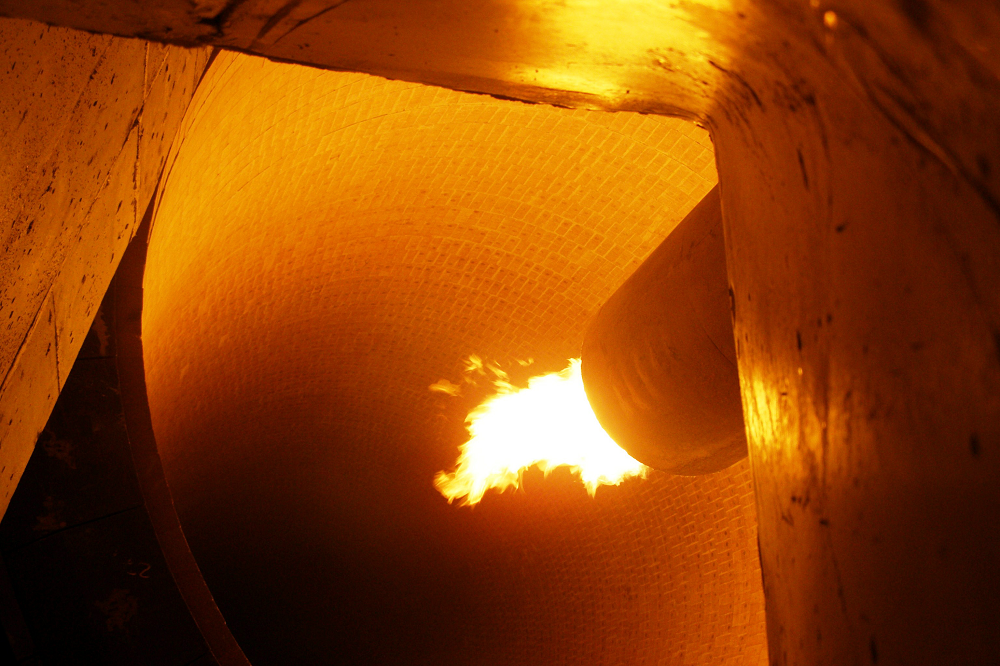
Clinker production is the most energy-intensive process step in cement manufacturing. It can represent up to 90 % of the total energy demand in a cement plant and is therefore a main focus not only with regard to cost optimisation and quality improvement of the final product, but also regarding emission control and the reduction of impacts on the environment. VDZ’s training will enable you as participant to obtain a deeper knowledge of the clinker production process and a better understanding of how the daily decisions can impact the overall performance of the plant (quality, electrical energy use, fuel consumption and emissions).
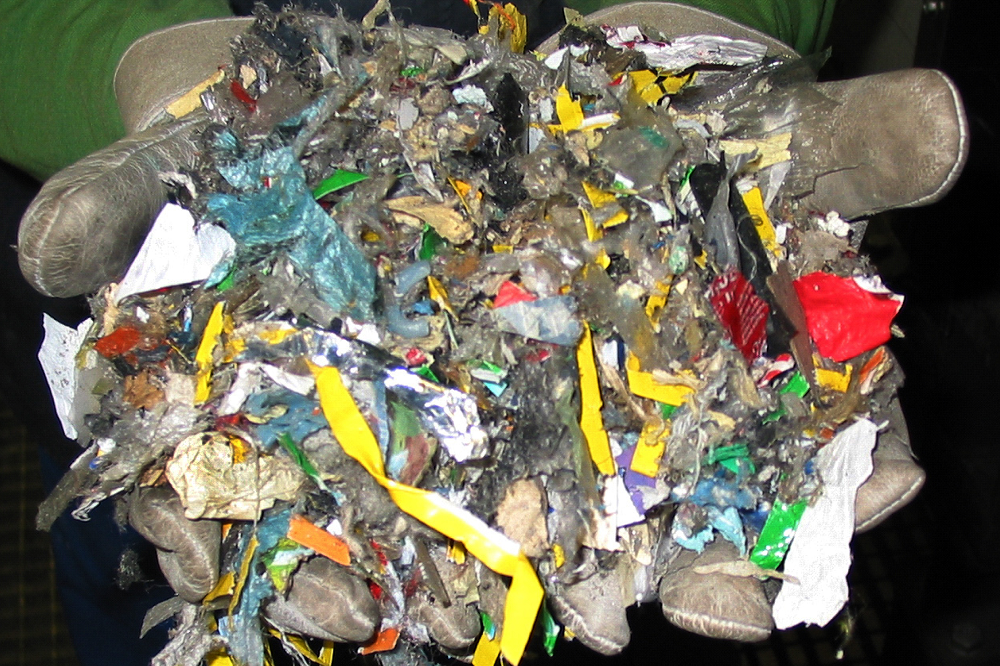
In this training you will become familiar with all relevant aspects concerning the use of alternative fuels in cement plants. Starting with the main political drivers such as the circular economy and the European waste fuel strategy, you will get a detailed insight into the current state-of-the-art-situation with regard to the use of alternative fuels in the EU. In this context, pre-treatment and suitable quality control of alternative fuels will be also explained and presented to you. You will focus on all the relevant aspects of the use of alternative fuels in the burning process (e.g. drivers and barriers of their use, available process technology and latest developments) and discuss them in the sessions. You will acquire knowledge about technical feasibility and optimisation potential, and have the possibility to discuss case studies.
Advanced cement chemistry: Use of alternative raw materials and fuels
In this advanced seminar, you will look at the current challenges facing cement chemistry in terms of resource efficiency and climate neutrality. The focus will be on the use of alternative raw materials and fuels in clinker production. You will learn about the origin, composition and properties of these materials and understand their influence on the clinker burning process. You will also be introduced to modern methods of clinker analysis to assess the effect of alternative raw materials and fuels on cement properties. Finally, you will discuss the hydration behaviour of complex composite cements and quality assurance methods in a practical way.
Technologies and optimisation strategies for efficient CO₂ capture
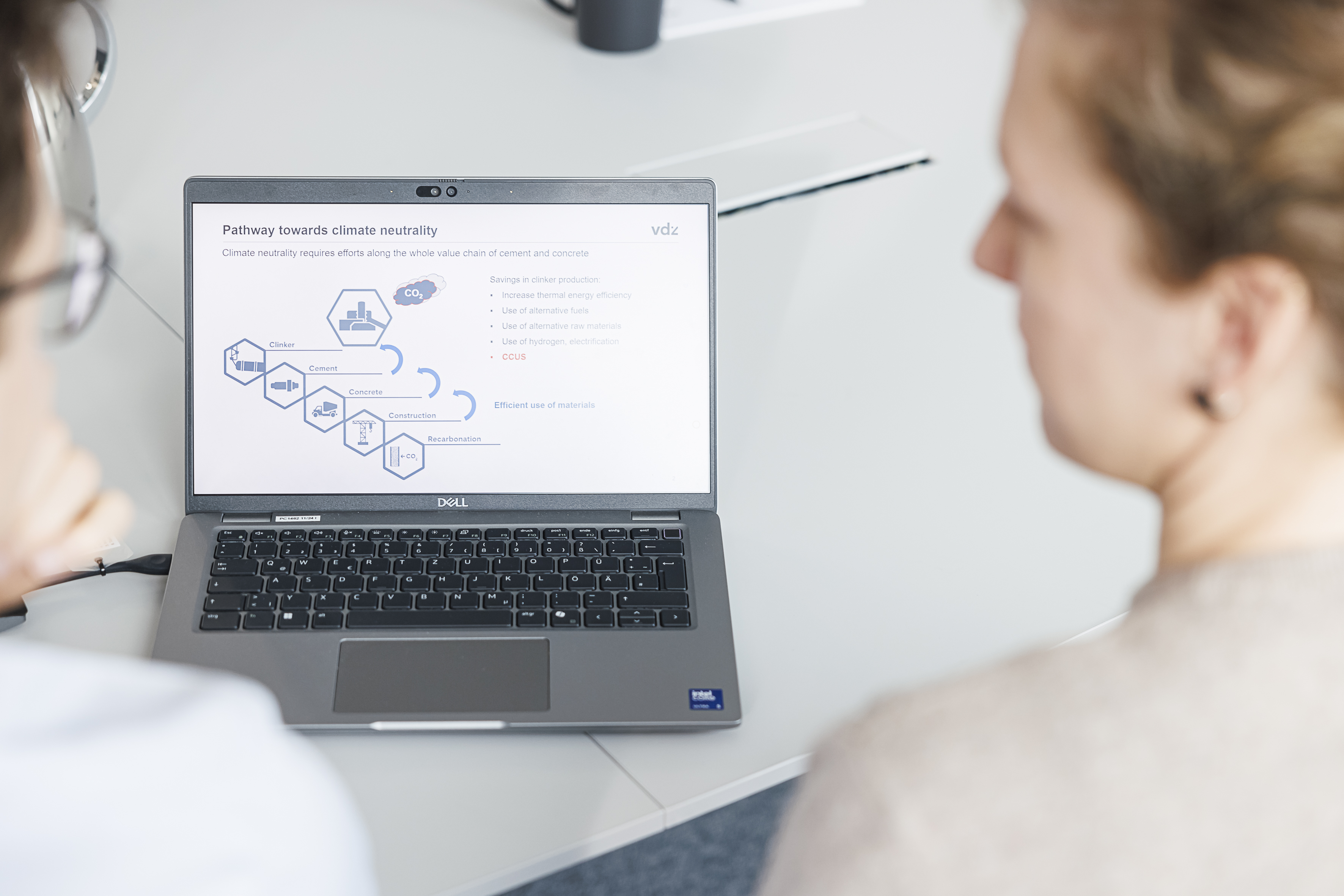
This online seminar gives you a concise overview of technologies and optimisation strategies for efficient CO₂ capture applied to industrial processes like the clinker burning process. You will learn the fundamentals of carbon capture processes and the key criteria for integrating capture systems into existing plants. The online seminar also highlights optimisation potential through holistic heat integration and process stabilisation. Synergies and limitations arising from combining multiple emission sources are assessed, along with impurity pathways and the consent need for emission abatement. By the end, you will gain practical insights into how CO₂ capture can be implemented effectively from both a technical and an energy perspective.
In this training you will learn how to conduct and evaluate cement kiln and mill trials. Kiln and mill examinations are carried out in order to gather data on the performance and to validate warranty performance data such as the output, the energy consumption, input/output ratio or the efficiency. Using this data as a reliable basis, you can for example optimise individual components of the operating system as well as the cement quality, reduce energy demands as well as emissions, evaluate material cycles and reduce coating formation.
Benchmarking carbon capture – A practical guide to technology evaluation
This online seminar equips you with the knowledge and tools needed to systematically evaluate CO₂ capture technologies applied to industrial processes such as the clinker burning process. You will be introduced to the key benchmarking methodology and will learn how to assess technical performance, economic feasibility, and site-specific applicability in a structured way. Through practical examples and case studies, you will see how data-driven benchmarking can support informed decision-making on the path toward climate-neutral production.
With us, you can expand your knowledge around the production of cement and lime, as well as in the area of concrete technology. As a competent partner, we have been offering our customers individual qualification solutions since 2010. In addition to German-language online courses, we also offer English- and Russian-language courses and other services.
The 9ᵗʰ International VDZ Congress took place in Düsseldorf on 6 – 8 November 2024. The VDZ Congress is the international scientific forum for the cement industry and its suppliers. Delegates from all over the world discuss the latest developments concerning the transformation of the industry on its way towards climate neutrality.
We use cookies for the optimum presentation and enhancement of the VDZ website.
Your consent is required for this. To find out more about the use of cookies on our
website please refer to Information on cookies on our data protection website.